
In an age when digital trust is everything, the revelation that 6.5 million Co-op Group members had their data stolen by hackers is more than just a headline. It’s a quiet gut punch to the fabric of community-based business in the UK.
The April attack, now attributed to the notorious Scattered Spider group, breached the very heart of the Co-op’s member-first model. These aren’t just customers, they’re co-owners, contributors, and, in many cases, lifelong supporters. For a nominal £1, they invest in more than savings; they invest in shared values, mutual benefit, and ethical business. That trust has now been compromised.
“We Saw Every Mouse Click”
It could have been worse. Thanks to the swift action of Co-op’s security team, the attackers were caught in the act before they could unleash ransomware. Shirine Khoury-Haq, Co-op’s CEO, confirmed on national television that her team blocked the ransomware deployment, but not before the attackers copied the entire membership file.
“We saw every piece of code they had written,” she said. “We knew everywhere they went in our systems.”
There’s something heartbreakingly human in her words. Not just the technical details the intrusion mapping, the code analysis, but the image of tired, defiant IT staff staring into their screens, trying to hold back a digital flood with keyboards and caffeine.
“I will never forget the looks on their faces,” she said.
That kind of emotional candour from a CEO is rare. But it also highlights a broader, often invisible toll of cybercrime not just on data, but on people.
The Psychology of Digital Harm
For millions of members, the idea that their personal information may now be circulating in cybercriminal forums is unsettling. Even though no financial or transactional data was compromised, names and contact details alone can be enough to fuel identity theft or phishing attacks.
What’s even more disheartening is the notion that this data, our digital shadows, may already have been “out there” long before this breach. In some ways, the Co-op attack just underscores how porous our personal data has become.
This isn’t just a technical failure. It’s a societal one. We are living in an era where cyber resilience needs to be seen as a civic duty not just a corporate checklist item.
Turning the Tide: Prevention Through Purpose
But amid the aftermath, the Co-op has done something extraordinary.
Rather than simply issuing apologies and tightening firewalls, it’s choosing to invest in prevention through purpose. Partnering with The Hacking Games, the group is launching a campaign to redirect the talents of neurodiverse youth who may be vulnerable to slipping into cybercrime.
It’s a bold move. More than 50% of tech workers in the UK identify as neurodivergent, yet autistic adults in the country still face staggeringly high unemployment. The Co-op is betting that early intervention and opportunity — rather than punishment and stigma — can help turn potential offenders into cybersecurity professionals.
This is about giving young people a different script one where curiosity and brilliance aren’t criminalised but channelled for good.
Greg Francis, a former NCA cybercrime investigator, summed it up well: “Unlike their offline counterparts, young people entering cybercrime receive little to no deterrents. There’s a vital role for stakeholders… to help them make informed choices.”
A Wake-Up Call for a Fragile System
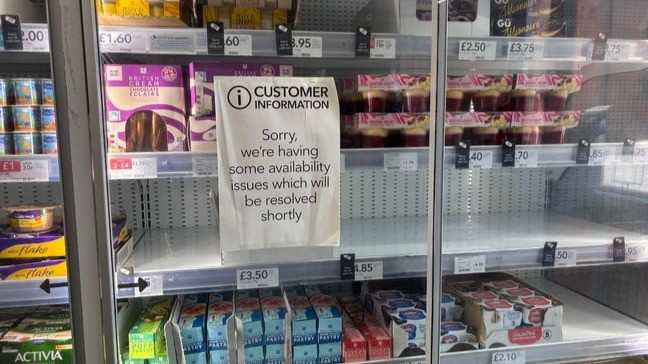
In Westminster, ministers have framed the Co-op attack along with those on M&S and Harrods as a wake-up call. Senior minister Pat McFadden reminded the nation how much we take food security for granted, and how vulnerable even our supermarket shelves are to digital interference.
He’s right to be concerned. What would have happened if the attack had hit Tesco, Sainsbury’s, or Asda? Would there have been more than half-stocked shelves? Would public confidence have wavered further?
What’s clear is this: cybersecurity is no longer just an IT issue. It is a national infrastructure. It is business continuity. It is emotional safety. And it is, increasingly, a moral issue because the consequences aren’t just technical. They are human.
The Co-op cyberattack will be remembered for its scale, but it should also be remembered for its response. A CEO who showed empathy. An organisation that looked beyond blame. And a community that hopefully learns, adapts, and grows stronger.
We don’t just need more secure systems. We need more humane ones.

